Color Psychology in Home Design: Choosing Earth-Friendly Paints
In the realm of home design, the fusion of color psychology and eco-friendly paints is creating a new wave of sustainable living in Arizona. This trend is particularly evident in bustling areas like Phoenix, Scottsdale, and Cave Creek. Homeowners are increasingly recognizing the dual benefits of choosing colors that enhance mood and behavior while opting for sustainable paints that contribute to energy efficiency and environmental health.
The Influence of Color on Mood and Behavior
Colors play a significant role in shaping our daily experiences by affecting our mood and behavior. For example, blue is often associated with calmness and increased productivity, while red can evoke feelings of energy and excitement. Similarly, green is linked to tranquility and can help reduce stress, making it a popular choice for bedrooms and relaxation areas. Yellow, on the other hand, is known to inspire creativity and optimism, perfect for workspaces or kitchens.
Homeowners can use these insights to design rooms that evoke specific atmospheres, enhancing the overall ambiance of their living spaces. Choosing the right color palette is not just an aesthetic decision but a crucial element in creating a balanced and harmonious home environment. By understanding the
psychological impact of colors, individuals can make more informed choices that contribute to their well-being and overall satisfaction with their living spaces.
Energy Efficiency Through Color Choices
Color choices extend beyond aesthetics and mood enhancement; they also have practical implications for energy efficiency. Light colors, such as whites and pastels, have the ability to reflect sunlight, thereby reducing the need for artificial lighting. This is particularly beneficial in Arizona's hot climate, where keeping homes cool is a priority. By reflecting sunlight, light colors can help reduce energy consumption and contribute to a more comfortable living environment. Research indicates that certain hues can influence perceptions of temperature, making spaces feel warmer or cooler than they actually are.
Eco-Friendly Paints: A Sustainable Choice
Eco-friendly paints are characterized by their low levels of volatile organic compounds (VOCs), which are harmful chemicals that can release into the air. These paints promote better indoor air quality, reducing health risks such as respiratory issues and headaches. In Arizona, where environmental consciousness is growing, many homeowners are choosing these paints to lessen their ecological footprint. Brands like Behr's Premium Plus, Benjamin Moore's Natura, and Sherwin-Williams' Harmony are popular choices, offering a wide array of colors that allow homeowners to maintain aesthetic appeal while being environmentally responsible.
Strategic Use of Color in Energy-Efficient Home Design
Incorporating color into energy-efficient home design requires strategic thinking. Light colors can enhance natural lighting by reflecting sunlight, making them ideal for reducing energy consumption in Arizona's sunny climate. Conversely, darker colors are effective in absorbing heat, making them suitable for cooler areas of a home where warmth is desired. Utilizing such color strategies can also reduce reliance on artificial lighting and heating systems, leading to lower energy bills and a reduced carbon footprint.
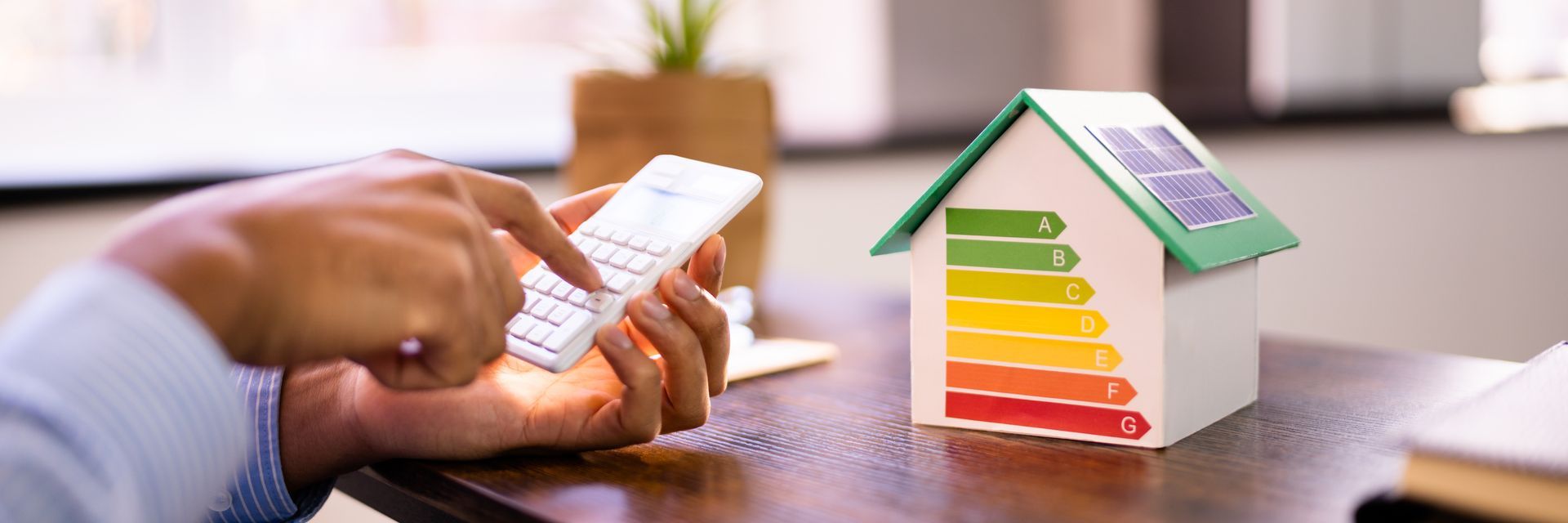
These strategies complement other energy-efficient design elements, such as solar panels or energy-efficient windows, creating a comprehensive approach to sustainable living. Selecting the right exterior paint colors can help in maintaining interior temperatures, further contributing to a home's energy efficiency. By thoughtfully integrating color with other sustainable practices, homeowners can achieve a more comfortable and environmentally friendly living space.
Expert Insights on Color Selection
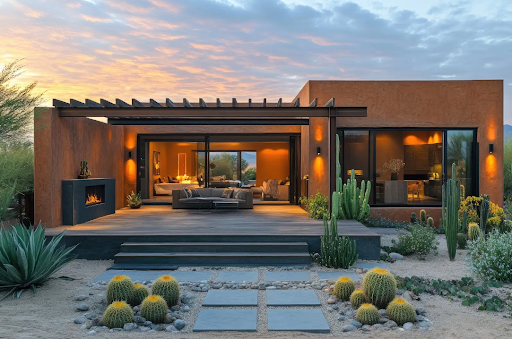
Interior designers emphasize the importance of choosing color palettes that align with personal preferences and environmental objectives. In Arizona, designers often recommend palettes that balance bold and neutral tones, reflecting the natural beauty of the local landscape. Phoenix-based designer Emily Harper notes, "Incorporating earth tones and natural hues can create a seamless connection between indoor spaces and Arizona's stunning scenery." Designers also suggest considering the orientation of the home and the amount of natural light each room receives when selecting colors.
Case Studies: Successful Eco-Friendly Homes in Arizona
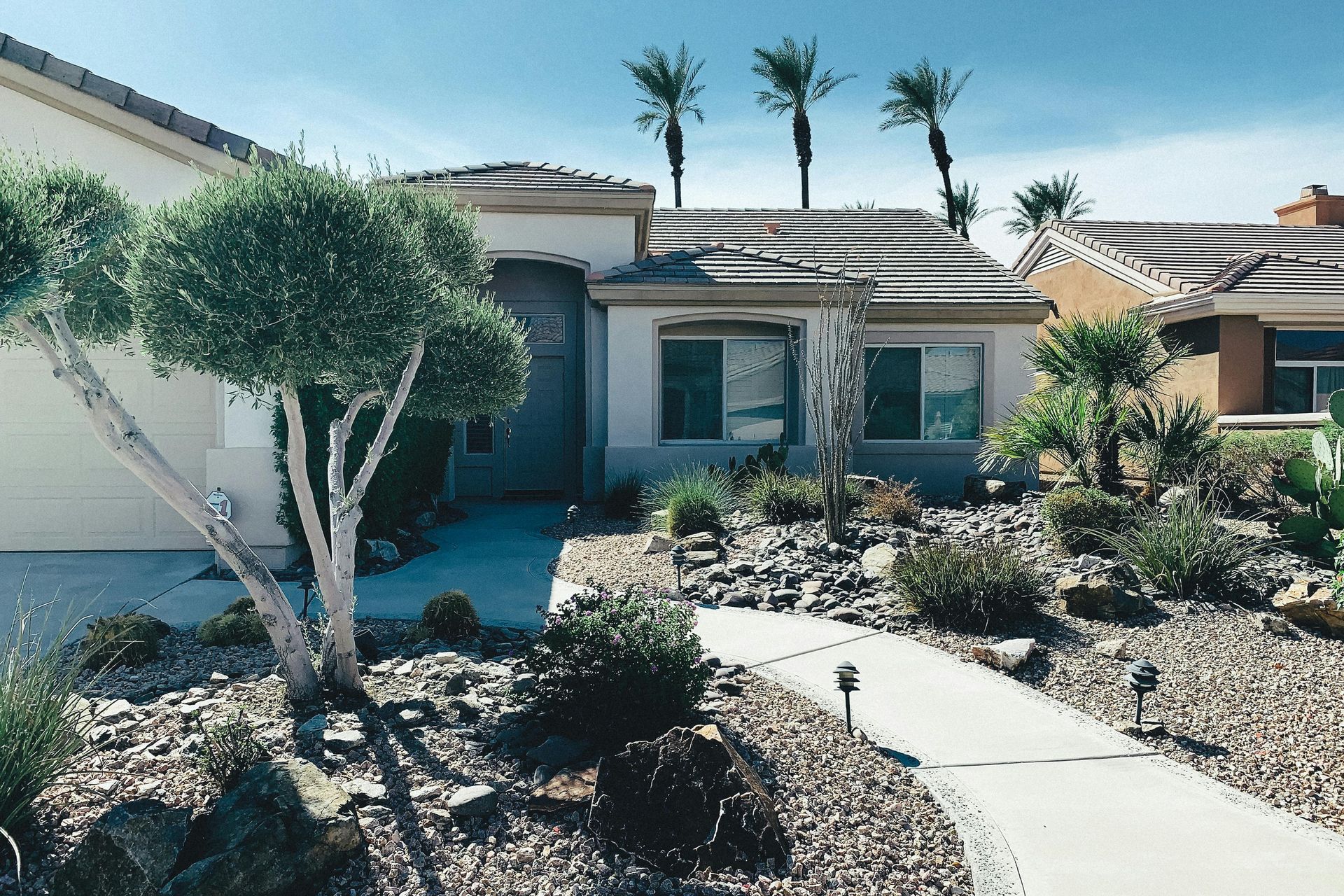
Several Arizona homes have successfully integrated color psychology and eco-friendly paints, resulting in lower energy consumption and improved well-being for residents. A homeowner in Scottsdale reported significant energy savings after repainting their home with light, reflective colors and low-VOC paints. In another instance, a family in Cave Creek used a combination of cool blues and greens in their living areas, enhancing their relaxation and focus. These examples underscore the tangible benefits of thoughtful color selection and sustainable materials in home design.
Overcoming Challenges in Eco-Friendly Paint Selection
Homeowners may encounter challenges when selecting eco-friendly paints and colors, such as limited color options or higher initial costs. Despite these hurdles, the long-term benefits, including improved health and energy savings, often outweigh the initial investment. To navigate these challenges, homeowners can seek advice from local designers or paint specialists familiar with the options available in the Phoenix area. Exploring paint recycling programs or DIY color mixing can also offer cost-effective solutions.
Emerging Trends in Eco-Friendly Paints and Color Psychology
The future of eco-friendly paints and color psychology in home design is bright, with innovations such as biodegradable paints and advanced color technologies on the horizon. These advancements are expected to further reduce environmental impact and expand design possibilities. Researchers are exploring paints that can self-clean or change colors based on temperature changes, offering exciting prospects for energy-efficient design.
The interplay between color psychology and eco-friendly paints offers a unique opportunity to enhance home design in Arizona. By making informed decisions, homeowners can create spaces that are not only aesthetically pleasing but also sustainable and energy-efficient. The benefits of this approach extend beyond individual homes, contributing to a healthier environment and a more sustainable future.
For more information on how to integrate color psychology and eco-friendly paints into your home design,
contact Daniela Quenzler Realtor today. We are here to assist you in creating a beautiful, sustainable living space tailored to your needs.